Harnessing Natural Capital
Markets for Environmental
Stewardship
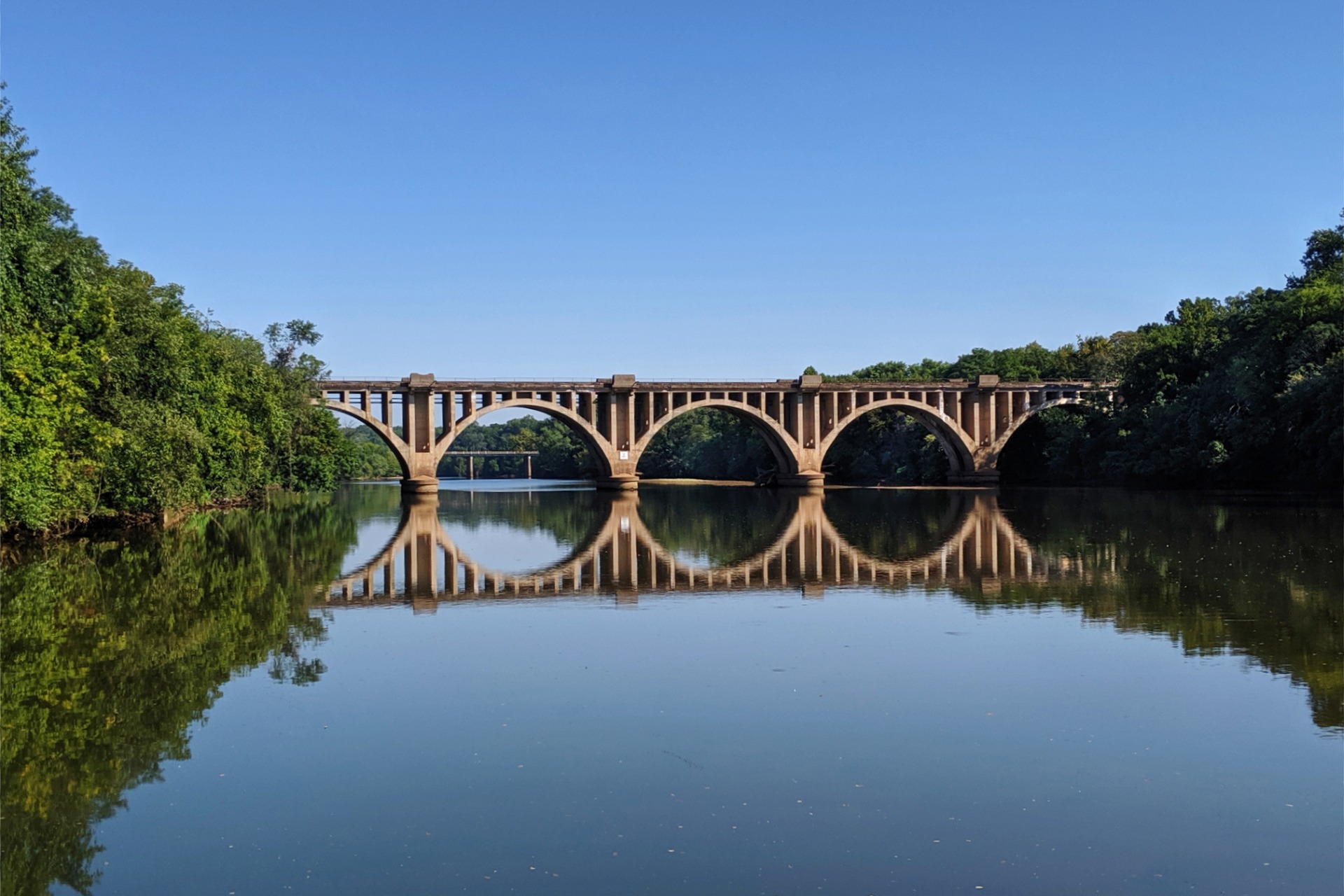
Natural capital markets are a cornerstone of Conservation+’s approach to environmental stewardship. By assigning economic value to natural resources, these markets incentivize the protection and restoration of vital ecosystems. Conservation+ uses natural capital markets to drive investments into projects that enhance biodiversity, improve water quality, and sequester carbon. This approach not only benefits the environment but also creates financial opportunities for landowners and investors who are committed to sustainable practices.
Nutrient and Mitigation Banking
Balancing Development
with Conservation
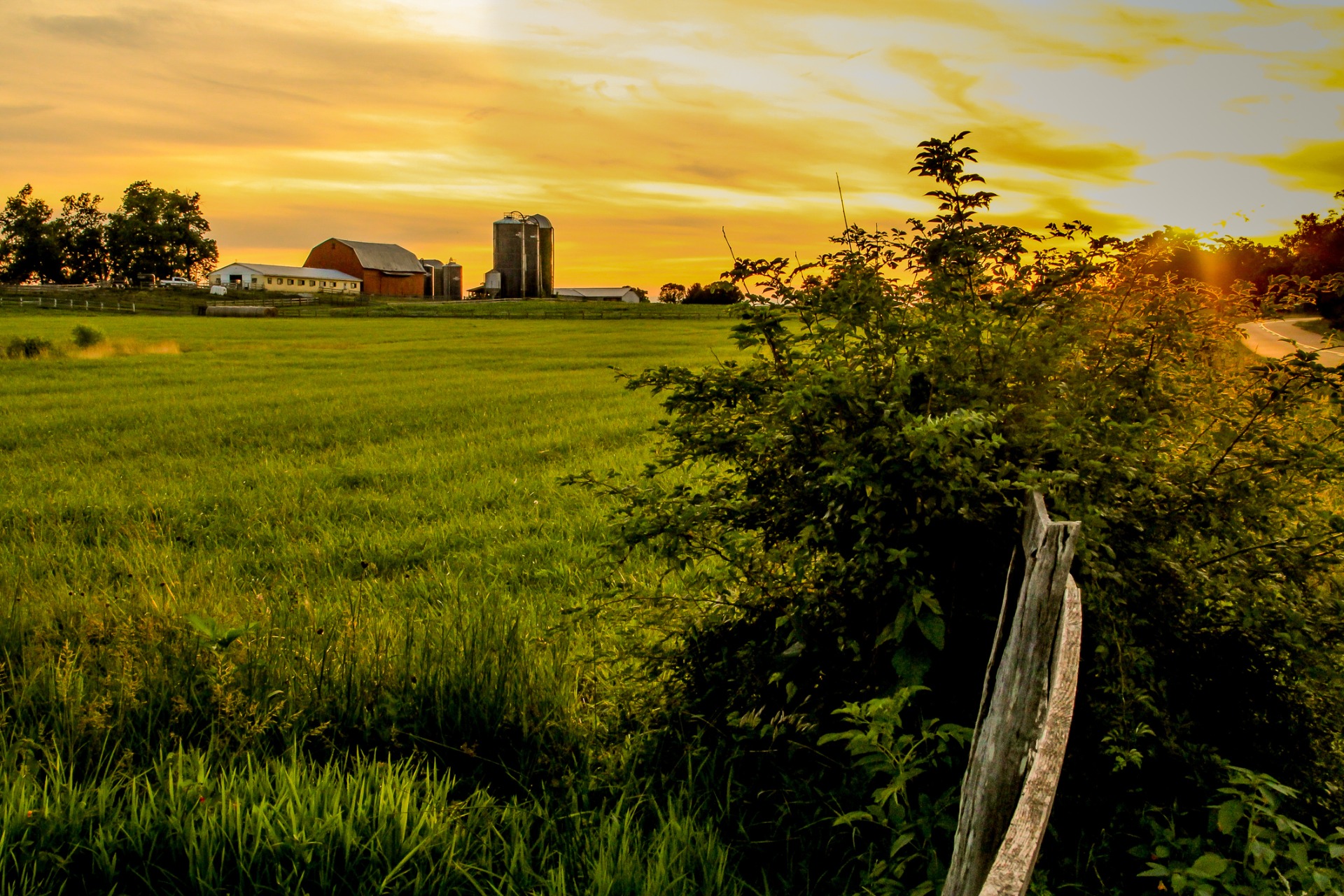
Nutrient and mitigation banking are crucial in Conservation+’s efforts to balance development with environmental conservation. By capturing and managing excess nutrients, nutrient banking prevents water pollution and restores ecosystems, while mitigation banking compensates for environmental impacts by enhancing habitats elsewhere. These systems offer sustainable solutions that ensure effective conservation alongside responsible development.

Nutrient Banking
Captures and manages excess nutrients to prevent water pollution.

Mitigation Banking
Restores or enhances habitats to offset environmental impacts.

Sustainable Solutions
Balances conservation with economic development.
"No man ever steps in the same river twice,
for it's not the same river and he's not the same man."
Heraclitus
Unlock your land's earning potential by putting a price and value on its natural assets.
In the same way a broker chooses diverse stocks for your investment portfolio, Conservation+ recommends diverse tools for protecting your property and the surrounding ecology and preserves the value of your potential revenue.
We take into account the several layers of potential value that exist above your land. Each layer represents the natural assets intrinsic to your property. One may represent conservation easement, another carbon credits, still another, nutrient, stream, and wetlands credits. One by one, the layers fit over your property, creating a customized portfolio of natural assets from which you draw.
Mitigation Bank Site Selection Criteria
There are specific favorable criteria used to evaluate a site’s potential for developing a successful mitigation bank. These desirable criteria include the following market and land-use considerations.
Mitigation Bank Criteria
While mitigation banks are encouraged, there are some restrictions and requirements for what area can be considered:
- High-growth watershed
- The area where credits are required (e.g., state department of transportation road projects, military base expansion, reservoirs, landfills, etc.)
Land Criteria
- Potential bank sites must be wholly owned by the bank sponsor.
- Neighboring properties or infrastructure (e.g., existing roads, utility lines, impoundments) will not pose any adverse effect to the proposed bank site.
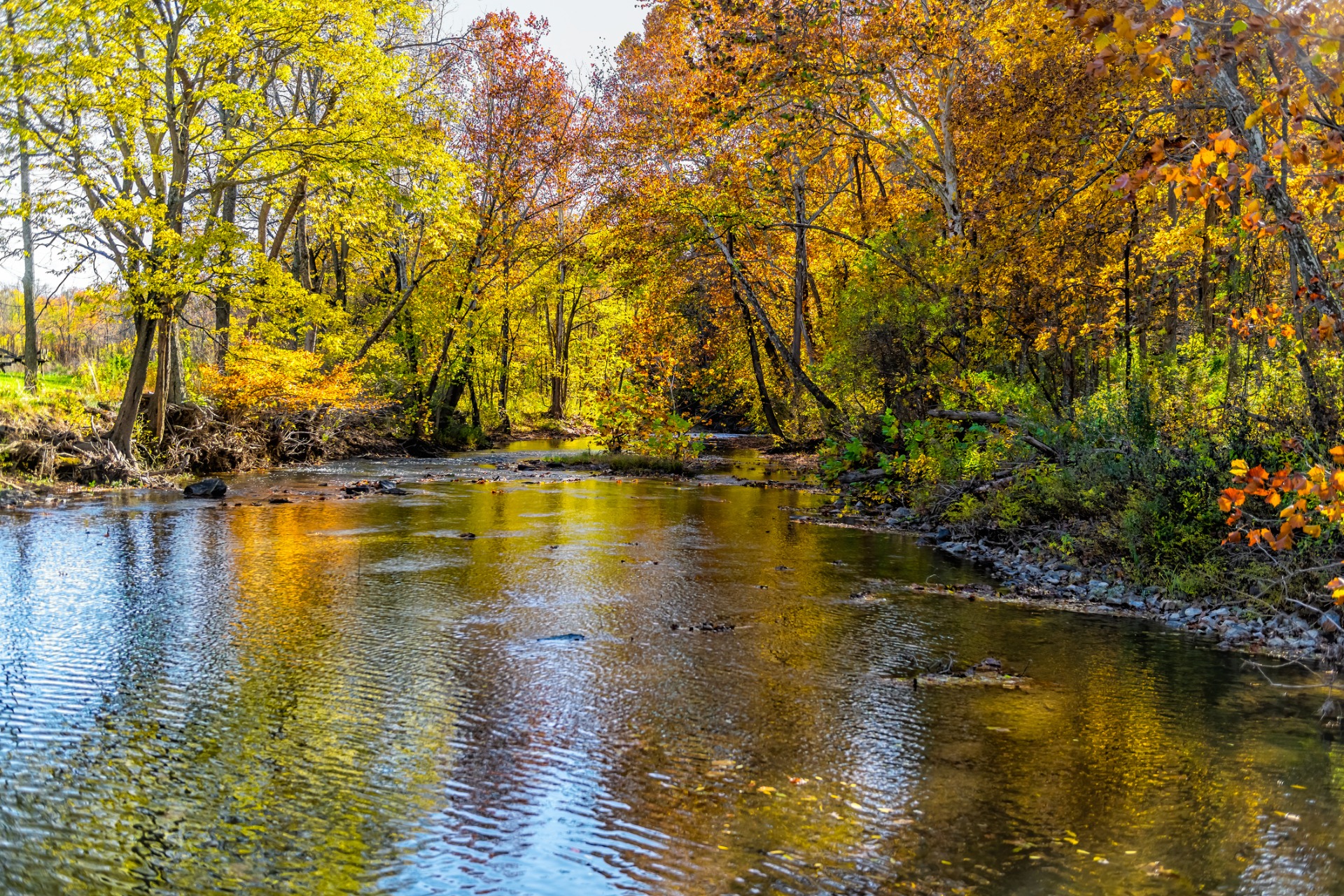
- The proposed bank site should have hydrology that can provide opportunities for restoring hydrological disturbances at development sites (ditches, constructed waterways, tile drainage, levees, etc.).
- It contains impounded, channelized, or straightened streams in which natural channel form can be restored.
- It contains wetland or stream buffers in which vegetation (planted pine monoculture, pasture grasses, or crops) can be replaced with native species.
Potential bank sites are expected to meet all or most of the criteria above. Meeting the requirements will lower the cost of setting up the bank and increase landowners’ profit margin. (Note: the cost of setting up a mitigation bank has nothing to do with the size of your land — the regulatory-coordination cost is almost always fixed.)
Your Land and Trees
Can I clear an area for a nutrient bank?
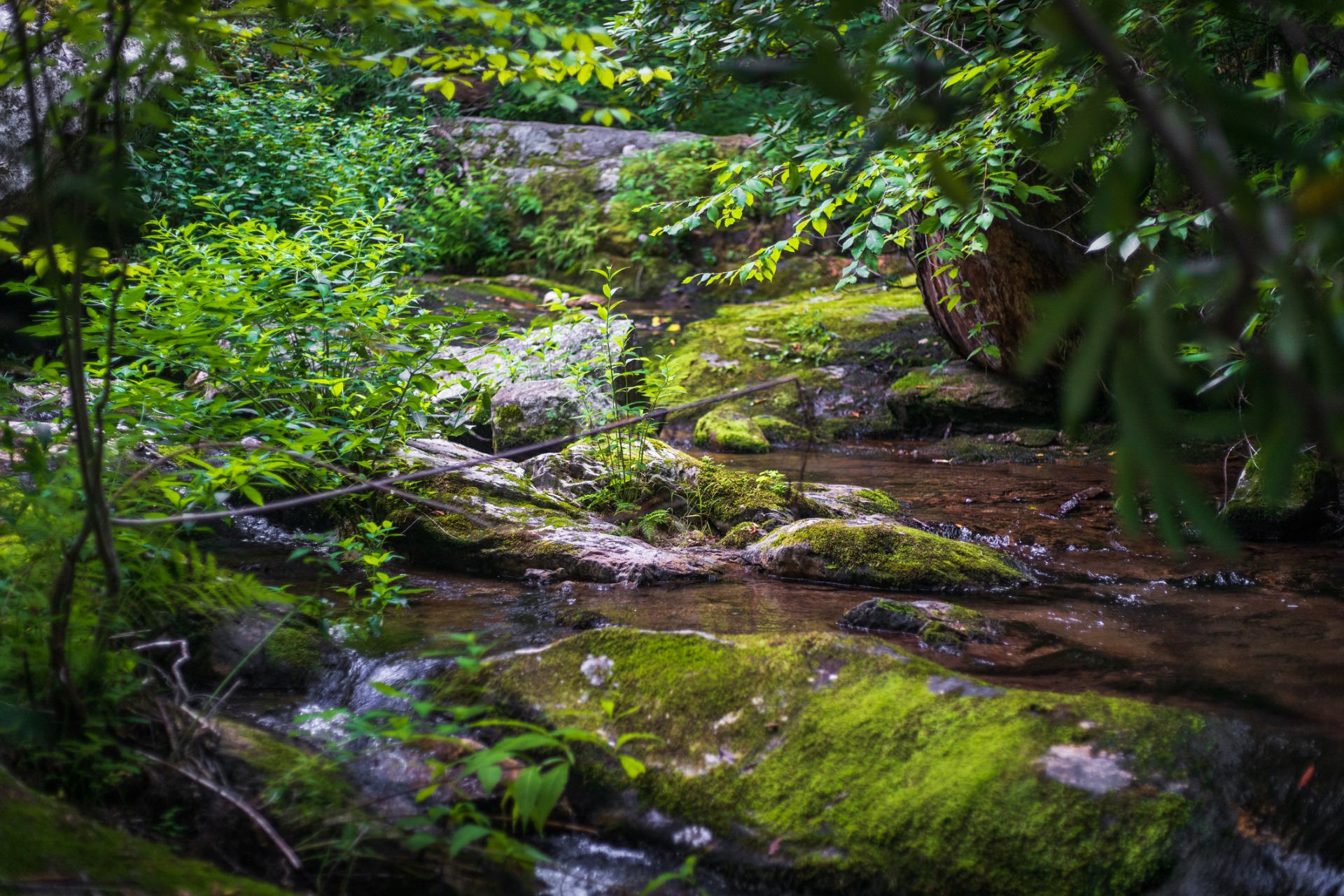
An existing forest means their roots are already filtering runoff and cannot be removed. Invasive species, however, may be removed to make room for native species. A quick site visit can determine our options on your property.
Do I get to pick what trees are planted?
In general, we can accommodate your requests. We select a variety of native hardwood species depending on the soil types found on your property. If the species you prefer is more than our budget allows, you may be asked to afford the difference.
Can I use the area where the trees are planted?
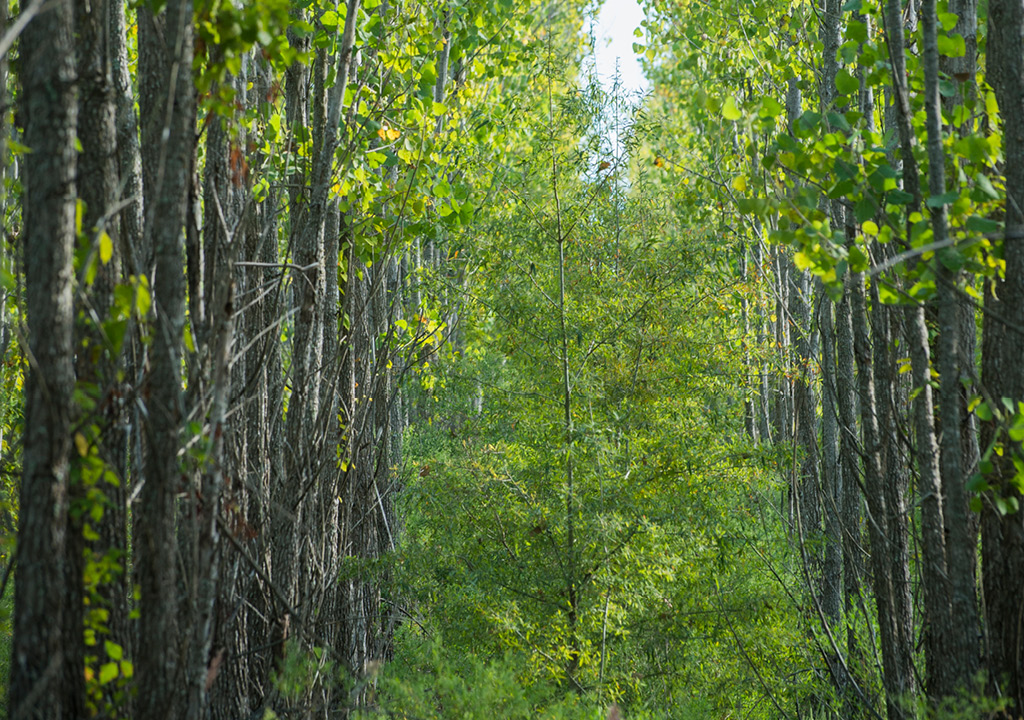
In general, yes, as long as Conservation Plus has unlimited access to manage the trees during the Term. The stand must be fenced from livestock. The average distance between rows is 12 feet and will accommodate trails. If you desire wider trails, you can specify the allowance in the Restrictive Covenants, understanding that eliminating trees may reduce projected credits.
Can I cut the timber eventually?
The DEQ requires that the forest be protected in perpetuity by a restrictive covenant recorded into the property deed. That said, best forestry management practices are used to manage the stand to ensure long-term survival of the new forest.
What happens if I sell my property?
Once recorded, the Restrictive Covenants will dictate the obligations of the new owner as a part of the property deed.
Getting Started and Getting Paid
What is the smallest acreage you would consider?
We generally prefer projects that are greater than 25 acres.
How do I get started?
We ask that you pay a setup fee of $750 to fund initial mapping, but once we reach an agreement on the size and configuration of the project, the money is returned. From there, we provide any initial investment necessary to get the project developed, approved and sold (mapping, DEQ application fees, purchase of trees, ground prep, planting, managing growth, DEQ verification, credit registration, and sale). Project expenses are repaid from gross sales. The net revenue is then split, with 70% going to the landowner.
From the date of the agreement, how long until I get paid?
In a typical cycle, agreements are signed in October, the ground is prepared for planting in November, the saplings are planted in March, and the DEQ verifies the new growth 90 to 120 days later. If there are no issues, the credits are transferred for sale thereafter. Sale depends on development activity in your HUC (region), but typically shelf life is 3 to 6 months.
So, the newly planted forest earns nutrient credits. Who buys them?
Once the trees are planted and verified by Virginia DEQ, the credits are transferred to a third-party, independent registry and are ready to be sold. Real estate developers buy them. City, county, and state governments buy them, too. Any organization with a construction project in your HUC (region) buys them to offset stormwater management at a development they have engineered.
How long does my relationship with Conservation Plus last?
The DEQ requires that the project be monitored for 10 years for compliance, so our agreement lasts for 10 years.